Raise LoL Team Win Rate & Synergy for Free

You know the feeling. Your team is on a losing streak, and that coveted promotion seems to drift further away with each defeat. The issue isn't always individual skill, plenty of players you face have solid mechanics. The real difference between a stuck team and a climbing one often comes down to coordinated strategy and practiced synergy. Fortunately, you don't need to spend money on expensive coaching or analytics software to start winning more. A systematic approach, built on free tools and deliberate practice, can dramatically lift your team's performance. This guide details concrete steps to raise your League of Legends team's win rate and build lasting synergy without a budget. To go deeper, you can also read LoL Team Tracker for Ranked Flex: Checklist.
Start with a ruthlessly honest post-game review system
The first free win-rate booster is a disciplined review process. Watching the replay is common advice, but most teams do it wrong. They skim through, look for the flashy 1v3 outplay that failed, and assign blame. This achieves nothing. The goal of a review isn't to find a scapegoat, but to identify a single, repeatable strategic mistake your team made and agree on a fix. To go deeper, you can also read Comparing Flex 5 with Clash Team Dynamics: Deep Dive into League of Legends Team Play.
Focus on macro decisions, not micro misplays
Forget about the missed skillshot. Instead, pause the replay at two key moments: three minutes before an objective spawns, and at the moment your team decided to fight, split, or retreat. Watch the map. Where was vision? Where were enemy champions last seen? Did your team have a clear, agreed-upon plan for this dragon, or was it improvised? In our experience, teams that review their own games consistently identify the same core issues: defaulting to ARAM mid after 15 minutes, or taking fights when key ultimates or summoner spells are on cooldown. Name the pattern, and you can solve it.
The most powerful review tool is completely free: your voice chat recording. Most communication platforms like Discord have recording capabilities. Listening back to your team's comms during a crucial lost fight is revelatory. You'll hear the clarity, or more often, the chaos, of your calls. Was there one shot-caller, or five conflicting voices? Did someone provide vital information that was ignored? Analyzing communication objectively removes emotion and points directly to process improvements.
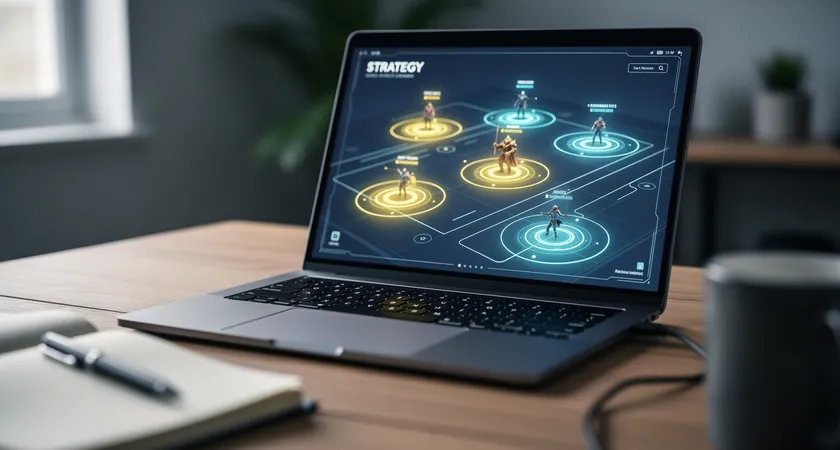
Structure your practice like a sports team, not a pickup game
Playing ranked Flex games together is practice, but it's chaotic practice. You're at the mercy of matchmaking, opponent strategies, and the pressure to win LP. To build real synergy, you need controlled, focused sessions. This is where the concept of 'scrim blocks' comes in, and you can implement it for free.
Designate one or two sessions per week as 'practice only'. The goal of these sessions isn't to gain LP, but to drill a specific aspect of play. For example, week one's focus could be 'early jungle pathing and lane priority'. Play 2-3 normal or flex games where your only metric of success is whether your mid and bot lane successfully helped your jungler secure the first scuttle crab. The win or loss of the game is secondary. This narrow focus allows you to experiment, fail safely, and learn faster than in a high-stakes ranked environment.
Use custom games to drill specific scenarios
One of the most underutilized free tools is the custom game lobby. Use it to recreate high-pressure situations until they become routine. A common drill is the '5v5 Baron pit setup'. Start a custom game, have all ten players meet at 20 minutes with a typical item build. One team sets up vision and zones, the other tries to contest. Reset and repeat ten times, swapping sides. This builds muscle memory for positioning, warding patterns, and engage/disengage calls without the 40-minute game preamble. Teams that do this report feeling significantly more confident and coordinated during real Baron attempts.
Another drill focuses on wave management for objective setups. Have your top and mid laners practice slow-pushing a wave on opposite sides of the map, timed to crash at the dragon spawn. This coordinated pressure is a fundamental macro skill that most amateur teams never consciously practice.
Build a shared language and communication protocol
Synergy is built on predictable communication. If your jungler says "I'm going in" but your front line isn't sure if that means now or in three seconds, you lose the fight. You can standardize this for free. Start by defining key terms. What does 'we can fight' mean? Does it mean all cooldowns are up, you have a numbers advantage, or you have a key item spike? Get specific.
Implement a simple shot-calling hierarchy for different game phases. Maybe your support is the primary early game vision and objective caller, while your mid laner takes over late-game teamfight engagement calls. The roles don't matter as much as the clarity. Everyone should know who to listen to in a given moment to avoid cacophony. In post-game reviews, you'll often see that losses correlate not with a bad call, but with a split in who the team followed.
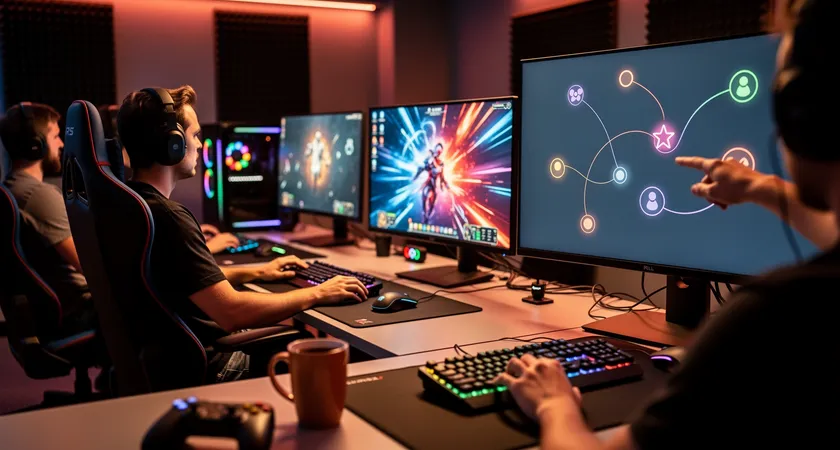
Create a free, shared 'playbook' document. Use Google Docs or a similar tool. This is your team's single source of truth. It should contain your default compositions, your preferred bans for specific strategies, your standard ward placements for blue and red side at 5, 10, and 15 minutes, and your agreed-upon plans for first Herald and first Dragon. Updating this document becomes part of your review process. This transforms tribal knowledge into team knowledge, making it easier to integrate a substitute player or refresh after a break.
Leverage free analytics to move beyond feelings
It's easy to feel like you're improving, but data doesn't lie. While paid services offer deep dives, several free resources provide more than enough insight to guide your development. The goal isn't to drown in numbers, but to track 2-3 key performance indicators (KPIs) that matter for your team's goals.
Start with op.gg's multi-search function. Look at your team's average vision score per game across a 10-game sample. Compare it to teams in the tier above you. Vision score is a direct proxy for map control and proactive play. Another critical free metric is objective control percentage. You can calculate this manually from match history: how many Dragons, Rifts, and Barons did you take versus the ones you conceded? If your win rate is below 50% but your objective control is high, it suggests your team is good at securing leads but poor at closing games, a very specific problem to address in practice.
Analyze your champion pool as a system, not a list of picks
Go beyond "we're good at these champs." Use free tier-list sites and stats aggregators like U.gg not to copy the meta, but to understand it. If the current meta favors strong early-game junglers who can contest scuttles, and your jungler primarily plays farming scalers, you have a strategic vulnerability. Analyze your combined pool. Do you have reliable engage? Consistent AP and AD damage sources? A plan for split-push scenarios? Build 3-4 'comfort comps' in your playbook that cover different strategic angles (teamfight, pick, split-push) and practice those specifically.
Watch professional games with a focused lens. Don't just watch for entertainment. Pick one role and follow only that player for the first 15 minutes. Where do they ward? When do they recall? How do they rotate? The free VODs on the official LoL esports channel are a masterclass in macro play. The key is to watch with a question in mind, such as "How does this team set up for the third dragon?"
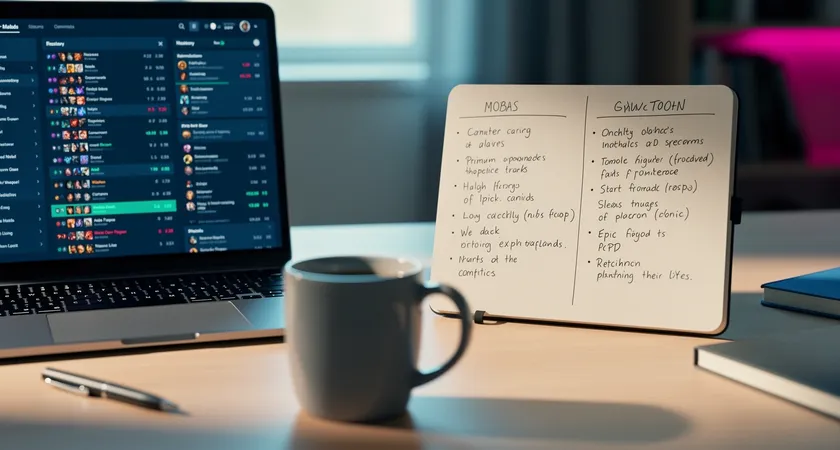
Navigate the common pitfalls of the self-coached team
After implementing free systems, many teams hit a plateau. The initial wins from better communication and structured practice come quickly, but then progress stalls. This is normal. The difficulty at this stage isn't a lack of tools, but a lack of perspective. You become blind to your own ingrained habits and systemic flaws.
A classic trap is the 'echo chamber' of strategy. Your team develops a default playstyle, perhaps a strong early skirmish game, and you keep forcing it even when the meta shifts or opponents adapt. Because you only review your own games, you reinforce your own biases. You might think "our late-game teamfighting is weak," when the real issue is that your early game decisions are putting you at a 5k gold deficit by 20 minutes every game, making any late-game impossible. An external viewpoint, even from a higher-ranked player willing to watch a single replay for free, can shatter these misconceptions instantly.
Another major hurdle is conflict resolution. When performance plateaus, frustration rises. A player's role or champion choices may come under fire. Without a neutral party to mediate and frame feedback constructively, these discussions can turn personal and damage team morale, undoing all your synergy work. The DIY approach requires a level of emotional maturity and leadership that is rare in competitive gaming environments.
When free tools and self-analysis reach their limit
The systems outlined here will take any dedicated team far. Yet, there's a ceiling. Free analytics show you the 'what,' but often not the 'why.' You can see your vision score is low, but a seasoned coach can watch your replay and pinpoint that your support is warding at the wrong times, making their wards easily cleared, or that your jungler's clearing route doesn't align with your laners' wave states to protect those wards. This level of integrated, multi-role analysis is incredibly difficult to do for yourself while also playing.
Furthermore, creating and maintaining an effective practice schedule, designing new drills, updating the playbook, leading objective reviews, becomes a significant time investment. This 'project management' overhead often falls on one motivated player, leading to burnout. Many teams find that the time and energy required to self-coach at a high level is substantial, and the opportunity cost of not focusing that energy purely on playing and refining can be a hidden drain.
For teams serious about breaking into higher competitive tiers, the logical next step is often seeking structured guidance. This doesn't negate the work you've done; it builds upon it. A qualified coach or analyst brings the missing perspective, the structured curriculum, and the conflict mediation skills. They turn your raw data and good intentions into a prioritized, efficient path forward. Think of it this way: you've built the engine with these free methods. A specialist helps you fine-tune it for peak performance and shows you the best road to take.
Your actionable checklist for the next two weeks
This isn't about vague inspiration. To raise your win rate, you need to act. Here is a concrete, two-week plan using only free resources.
- Week 1, Session 1: Hold a 90-minute review. Pick one recent loss. Everyone must watch the replay alone first, noting one macro mistake and one communication issue. Then meet and compare notes. Agree on one macro rule to implement (e.g., "No fighting 30 seconds before objective spawn unless we have pick advantage").
- Week 1, Session 2: Play 2-3 Normal/Draft games. Your sole success metric is adhering to the new macro rule. Ignore the game result. Record comms for one game.
- Week 2, Session 1: Create your shared playbook doc. Populate it with your top 3 comfort compositions and vision maps for first Dragon spawn on both sides. Run the Baron pit drill in a custom game 5 times.
- Week 2, Session 2: Review the comms recording from Week 1. Identify 'communication clutter' (off-topic talk during critical moments). Implement a 'quiet comms' rule for the last 10 seconds before an objective spawns. Play 2-3 Flex games focusing on this and your macro rule.
Raising your League of Legends team's win rate and synergy is a project. It demands more than just playing together; it requires analyzing, practicing, and communicating with purpose. The free tools, replay reviewers, custom games, voice recordings, shared documents, and public stats, are powerful enough to catalyze major improvement. Start with honesty in your reviews, add structure to your practice, and build a shared language. These fundamentals will yield wins. When you hit the inevitable plateau, recognize it as a sign of progress, not failure. It means you've mastered the basics and are ready for the nuanced, perspective-driven guidance that turns good teams into consistently great ones. The climb is a process, but the view from the top is worth the coordinated effort.
FAQ
What is the fastest way to improve team synergy in League of Legends Flex queue?
The fastest improvement comes from implementing a structured post-game review focused on macro decisions, not individual mistakes. Record your team's voice comms during one game and listen back together. Identify one recurring strategic error, like poor objective setup or chaotic shot-calling, and agree on a single, clear rule to fix it for your next session. This focused, objective analysis builds shared understanding faster than just playing more games.
How can I track my Flex team's performance for free?
Use op.gg's multi-search to track key team metrics over a 10-game sample. Focus on two or three numbers: average vision score per game (compare to higher-tier teams), and your objective control rate (dragons/heralds/barons taken vs. conceded). Manually note your team's agreed-upon macro rule compliance from reviews. This combination of public data and your own qualitative tracking provides a clear, free performance picture without advanced analytics.
Why does my Flex team win lane but lose the game?
This common problem usually stems from a lack of a mid-to-late game transition plan. Winning lane generates a gold lead, but teams often fail to convert it into map pressure. Review games where this happens and pause at the 15-minute mark. Check if your team is defaulting to grouping mid with no side wave control, taking risky fights without vision, or failing to coordinate around objective timers. Practicing specific side-lane wave management in custom games can fix this.
How do you deal with conflicting shot-callers on a League team?
Formalize a simple shot-calling hierarchy for different game phases. Assign primary calling responsibility for early game vision/objectives to one player (often support or jungle) and late-game teamfight engagement to another. Discuss this when calm, not mid-game. During reviews, analyze moments of conflicting calls not to blame, but to reinforce who has the final say in that phase. Clarity prevents the chaos that loses coordinated fights.
What are good free practice drills for League of Legends team coordination?
Use Custom Game mode for targeted drills. The 'Baron Pit Setup' drill has both teams reset at 20 minutes and repeatedly contest Baron to practice zoning and vision. The 'Wave Management for Objectives' drill has top and mid practice slow-pushing opposite side lanes to crash at dragon spawn. These 10-15 minute drills build specific coordination muscles more efficiently than full, unfocused practice games.
When should a Flex team consider getting a coach instead of self-coaching?
Consider external guidance when you've implemented free systems but hit a win-rate plateau you can't explain, when internal conflict over strategy is harming morale, or when the time burden of organizing reviews, drills, and playbooks is causing burnout. A coach provides unbiased perspective to diagnose systemic flaws invisible to the team and creates an efficient practice structure, allowing players to focus on execution.